Working together with trusted local partners in Niger
In one of the most difficult regions of the world—where access to electricity, clean water, and even safe travel is extremely limited—we have started a new chapter. Our project, implemented under a public-sector framework, was made possible thanks to strong collaboration with international organizations and our local business partners on the ground.
Tsuji Plastics supplied and installed all the equipment used in this project. But more importantly, we worked side by side with local experts and alumni of the ABE Initiative—trusted individuals who understand both the needs of the communities and how to solve them effectively.
From Diffa to Tillaberi — Sites That Truly Needed Support
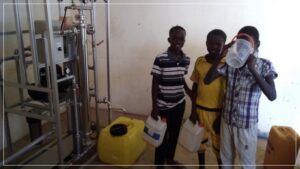
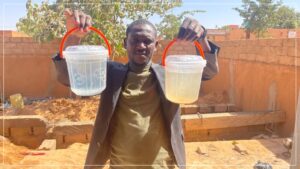
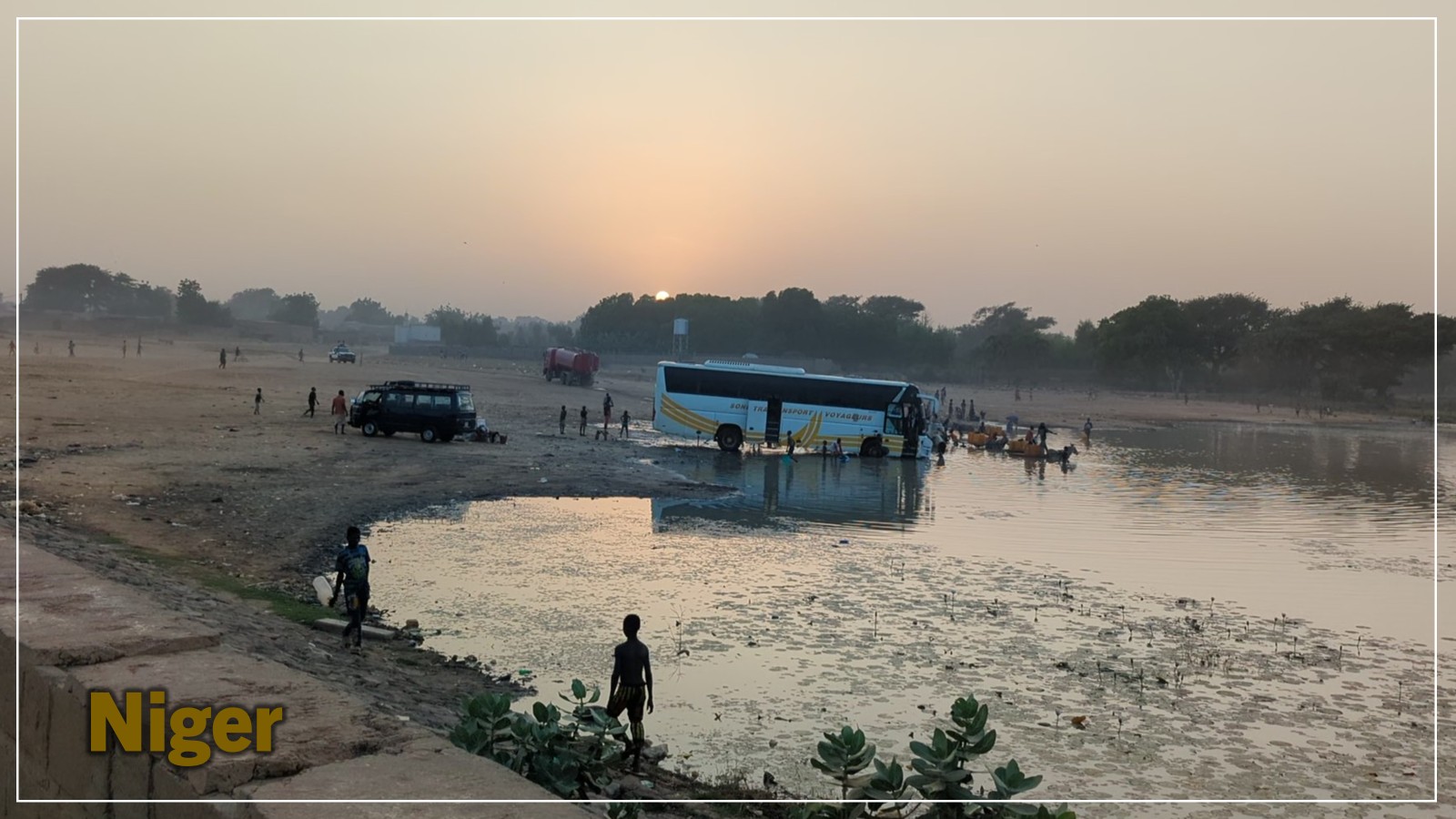
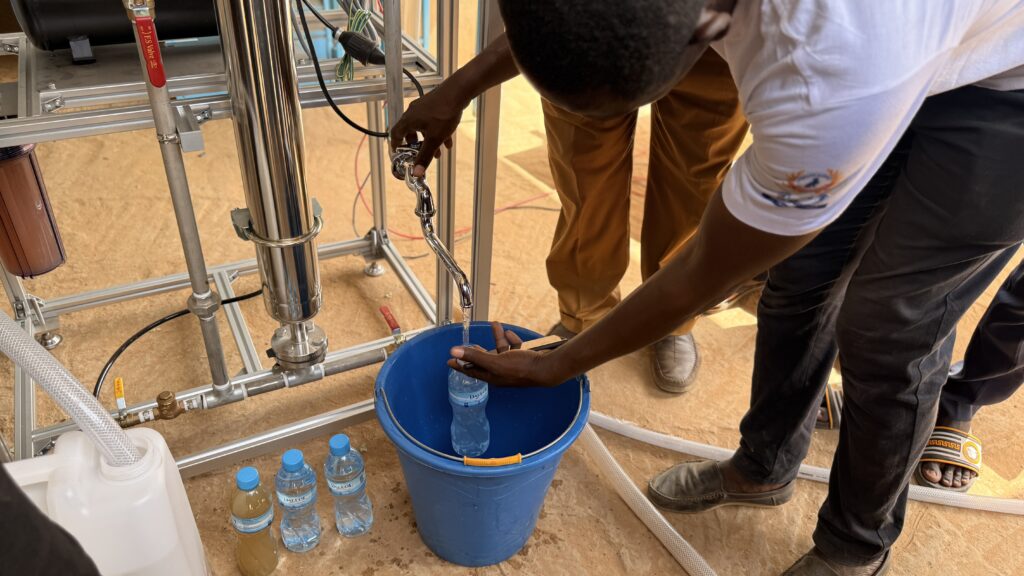
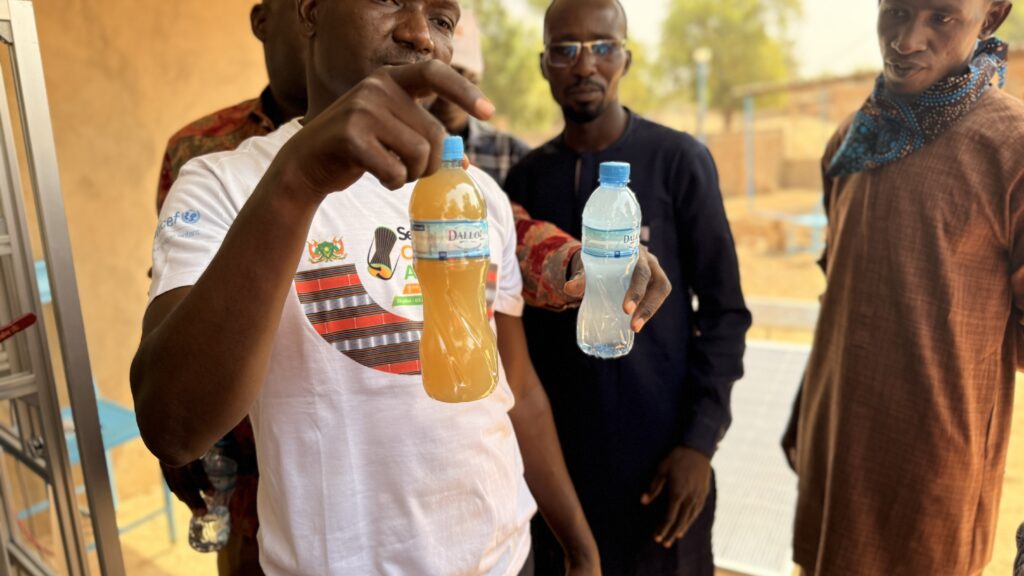
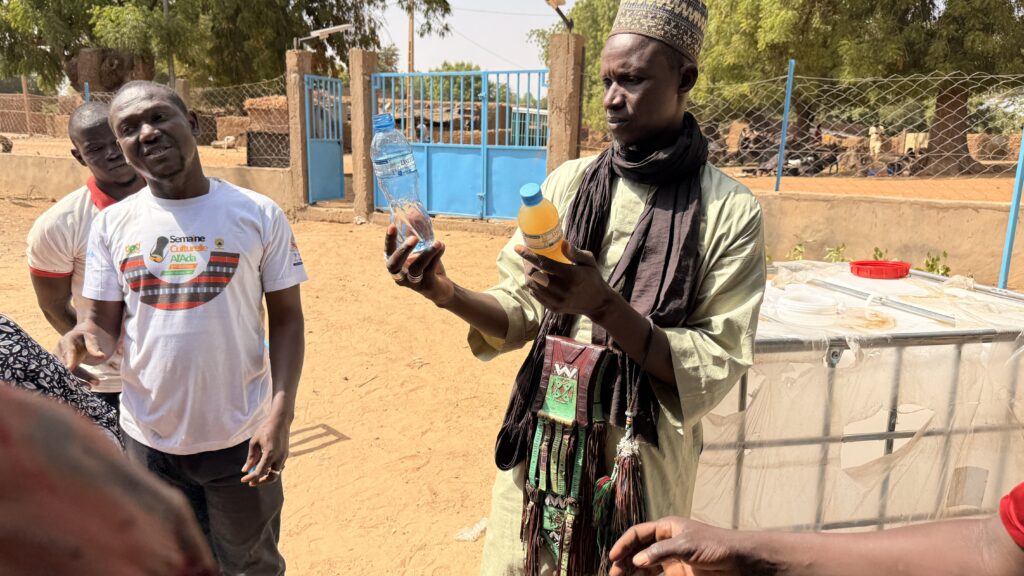
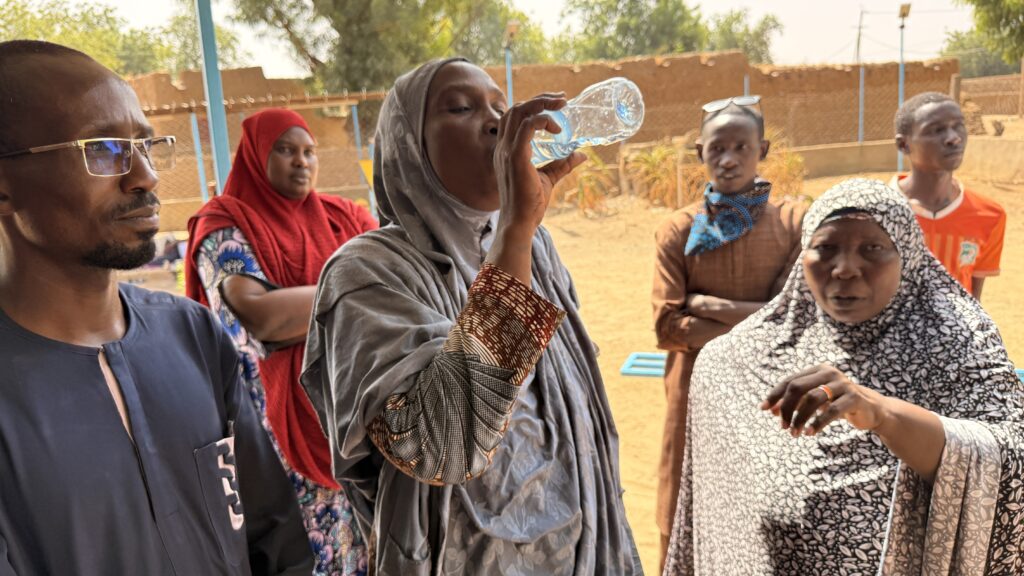
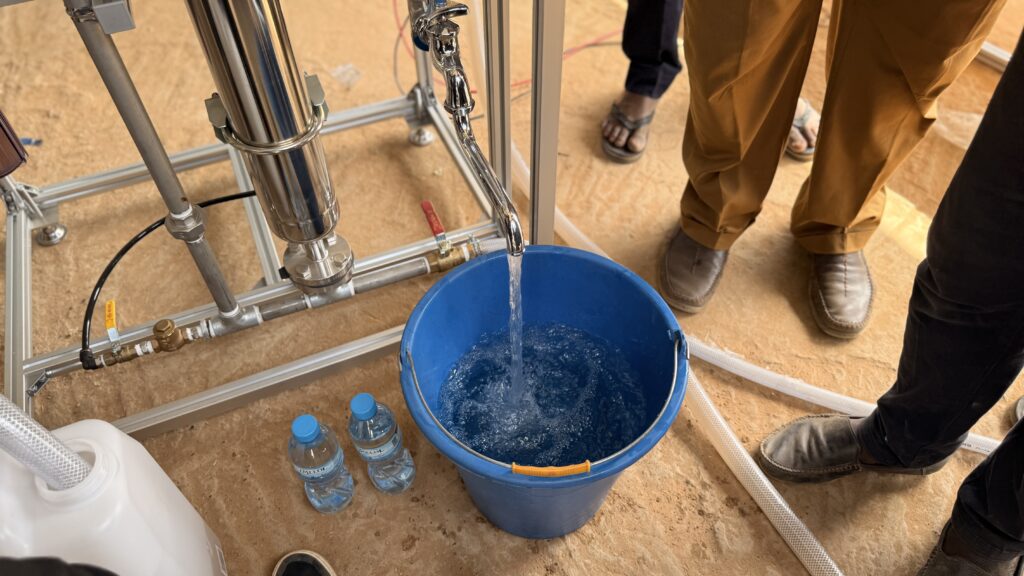
The first installation site was Diffa, located over 1,200 kilometers from Niger’s capital. It’s a region where even clean water is hard to find. We brought in a solar-powered water purification system that can handle murky river water and turn it into safe drinking water. When clean water came pouring out of the faucet, people were truly amazed.
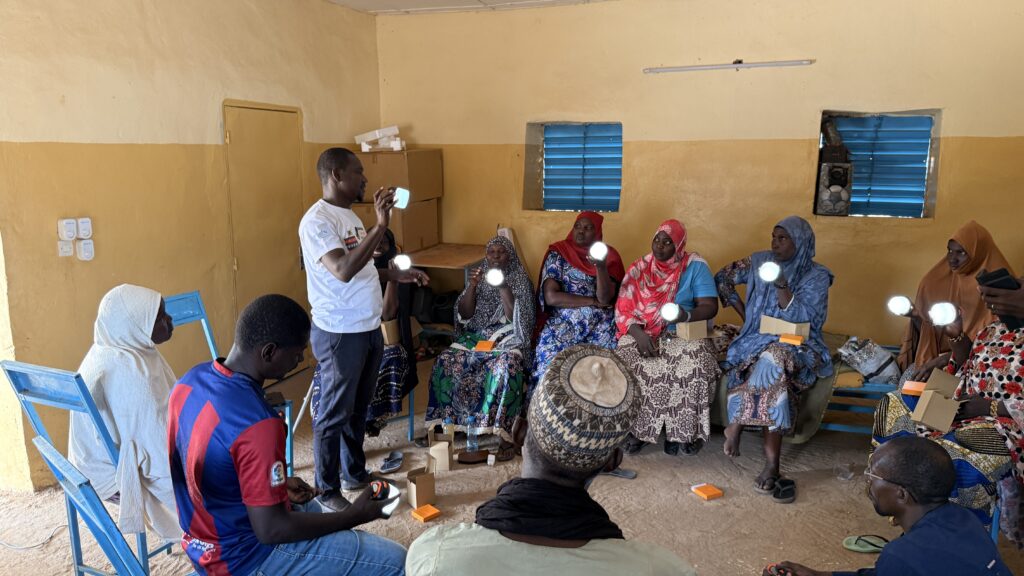
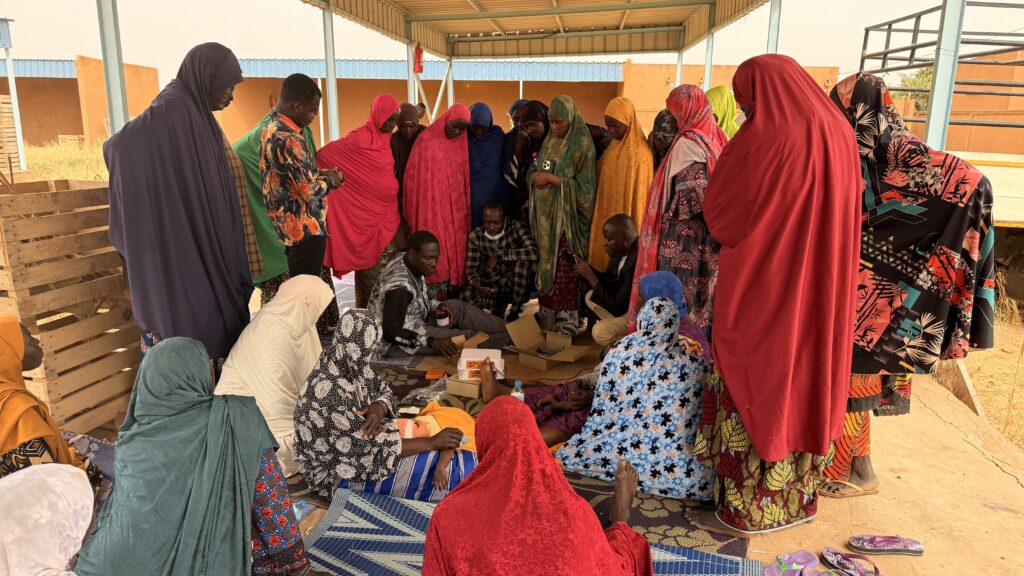
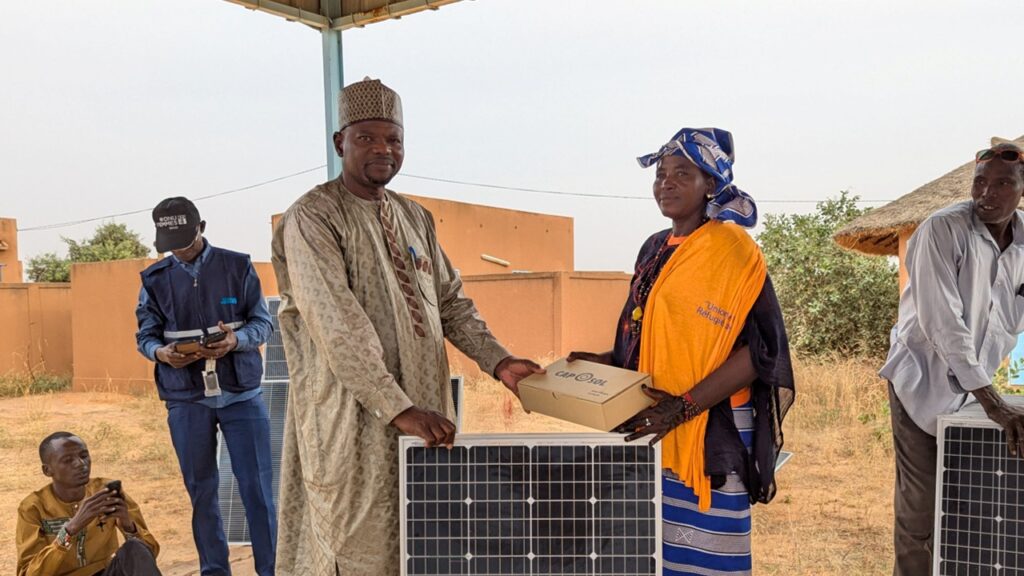
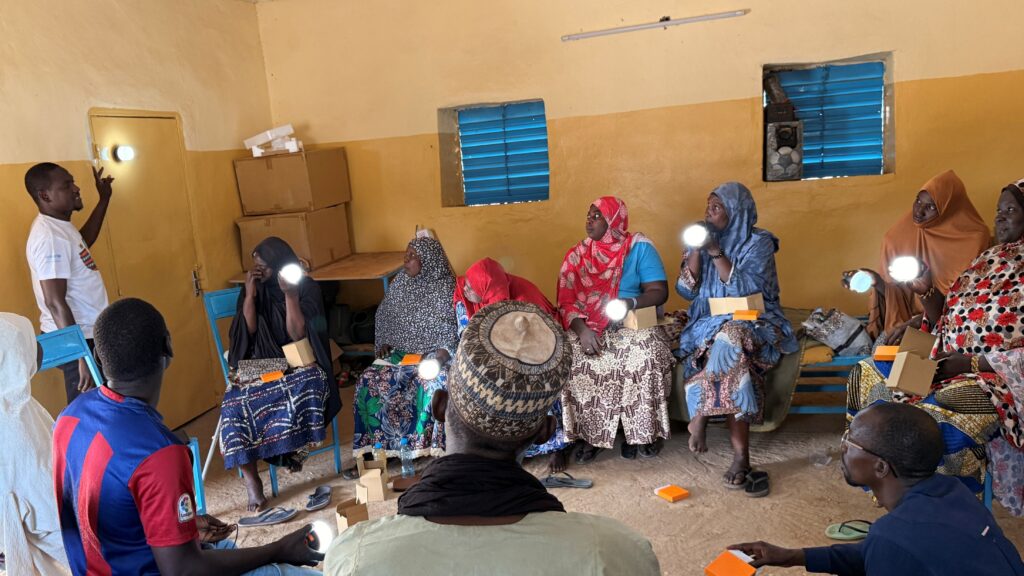
In addition, we distributed about 3,000 ultra-bright LED lanterns—one per household—so families can finally have light at night. Many women told us how helpful it is for safety and daily life. The lanterns only need to be charged once every 3 to 5 days, reducing the burden on families.
The Role of Our Local Partners Was Essential
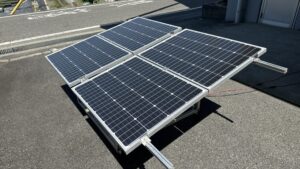
None of this would have been possible without our trusted local partners. From assembling aluminum solar panel stands (which we designed for easier transport), to leading equipment training sessions in local languages, they were essential at every step. One of them even came from South Sudan to support the project. Their deep local knowledge and dedication made all the difference.

Solar Chargers — Changing the Way Communities Power Up
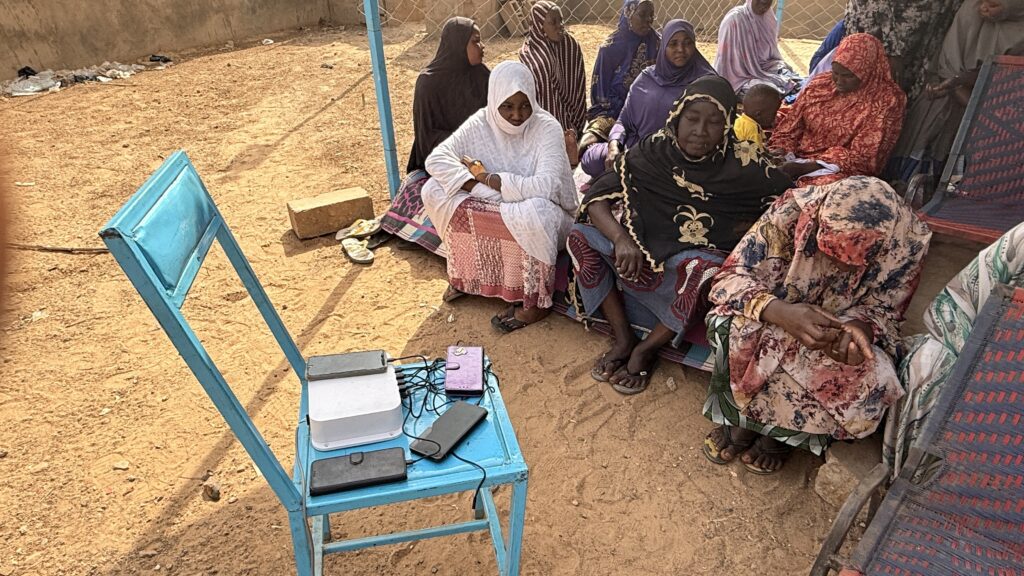
We also introduced a special type of solar charger. It doesn’t require any battery and can charge up to 8 devices at once. In many parts of Niger, people have to leave their phones with charging shops, only to find them half-charged. Now, they can charge their phones in their own village. The convenience has changed daily life dramatically.
Even in Areas with Security Risks — The Project Moved Forward
In Tillaberi, a region known for unstable security, our team moved with extreme caution. Routes and schedules were kept confidential. Even inside villages, we avoided using cars to reduce attention. Despite these challenges, the installations were completed successfully, and our team stayed in local shelters—not hotels—to stay close to the communities.
This Is What People Have Been Waiting For
In these remote, underserved villages, light and water aren’t just infrastructure—they’re hope. Families can now drink safe water. Children can study at night. People can sit together and see each other’s faces in the evening. These changes are small, but life-changing
We Couldn’t Do This Alone
According to our coordinating agencies, Tsuji Plastics was the only Japanese private company to implement such a project in Niger. But we didn’t do this alone.
Thanks to the support of public institutions and the efforts of our passionate local partners, we were able to deliver real solutions to communities that were often forgotten.
We’re deeply grateful for the chance to be part of this journey—and we will keep moving forward, together.